In the realm of 2D animation, characters are crafted or modified on a computer utilizing both 2D bitmap graphics and 2D vector graphics. This encompasses mechanized adaptations of conventional animation methods such as interpolated morphing, onion skinning, and interpolated rotoscoping. The applications of 2D animation span across various realms, including After Effects Animation, analog computer animation, Flash animation, and PowerPoint animation. Cinemagraphs are essentially static images that incorporate subtle animated elements in the form of a GIF file.
In addition to their accomplishments in cinemas and TV shows, numerous animated characters can also generate significant financial gains through licensing for various merchandise and different forms of media.
Animators fine-tune and modify the shapes and motions executed by their characters from Toy Story in 1995 up until the present-day film Coco. As a result, 3D animation has emerged as a prevailing form of animation.
Certain content created specifically for the screen has the potential to be repurposed and promoted across different media platforms. Narratives and visual elements can be seamlessly transformed into children's literature and various forms of print media. Songs and music have been featured both on physical records and in the form of streaming media.
The emergence of substantial animated works (i.e., those exceeding a few seconds in length) has evolved into a distinct form of filmmaking, characterized by its own set of distinctive features. Both live-action and animated feature-length films share the traits of being labor-intensive endeavors and entailing significant production expenses.
Animation has provided storytellers with the opportunity to narrate tales in novel manners. The vivid and imaginative realms depicted in animated movies have the power to rekindle inspiration and the enchantment of storytelling, irrespective of one's age. For individuals who consider themselves storytellers, or aspire to be, animation serves as an excellent starting point. But what exactly does the term "animation" encompass? Now, let's delve into the various forms of animation that cartoonists and artists employ.
Animation has gained significant popularity in television advertisements, primarily attributed to its visual allure and ability to inject humor. Certain animated characters, like Snap, Crackle, and Pop from Kellogg's cereal commercials, have managed to sustain their presence for several decades. Tex Avery, the individual responsible for producing the inaugural Raid Kills Bugs Dead advertisements in 1966, played a pivotal role in the company's remarkable success.
While numerous animation companies capitalize on their creations beyond the realm of moving images, The Walt Disney Company stands out as the most renowned and extreme exemplar. Ever since receiving its first license for a children's writing tablet in 1929, Disney's iconic mascot, Mickey Mouse, along with various other characters, has adorned an extensive array of merchandise. While there may have been an impact on Mickey's reputation due to negative associations, it is worth noting that officially licensed Disney merchandise continues to have strong sales. Moreover, the realm of Disney memorabilia, known as Disneyana, boasts numerous enthusiastic collectors and even a dedicated fan club called Disneyana Fan Club, which has been in existence since 1984.
To achieve the illusion of seamless movement in these rendered, painted, or digitally-created visuals, careful consideration is given to the frame rate - that is, the frequency at which consecutive images are displayed per second. Typically, animated characters are captured at a "two-frame" rate, wherein a single image is exhibited for two frames, resulting in a total of 12 illustrations per second. A frame rate of 12 frames per second permits the presence of movement, although it might appear fragmented. In cinematography, a frame rate of 24 frames per second is frequently employed to achieve seamless motion.
In the realm of animation, there has long been a strong connection to comic books. While it is common for numerous comic book characters to transition onto the screen, particularly in Japan where many manga series are adapted into anime, there is also frequent integration of original animated characters within comic books and magazines. In a somewhat comparable manner, video games (which are an interactive form of animation that has developed into its separate medium) have drawn inspiration from movies in terms of characters and storylines, and the reverse is also true.
Computer animation comprises a range of methods, with the common thread being that the animation is generated digitally using a computer. 2D animation methods typically concentrate on manipulating images, whereas 3D techniques involve constructing virtual environments where characters and objects can engage in movement and interaction. The utilization of 3D animation has the capability to generate visuals that appear lifelike to the observer.
The sheer lucidity of animation renders it a potent instrument for educational purposes, while its complete adaptability also permits the portrayal of heightened emotions and a departure from reality. Consequently, animation has found extensive application beyond mere amusement.
In addition to receiving Academy Awards for Best Animated Short Film (since 1932) and Best Animated Feature (since 2002), animated films have been frequently recognized and honored in various other categories, notably including Best Original Song and Best Original Score.

The process of 3D animation entails the digital creation and manipulation of models by an animator. Typically, the initial step involves the development of a 3D polygon mesh by the model maker, which is later modified by the animator. In general, a mesh consists of numerous vertices that are joined together by edges and faces, thereby providing a tangible shape to a three-dimensional object or environment. Occasionally, an internal digital skeletal structure known as an armature is incorporated into the mesh, enabling control over the mesh by assigning weight to its vertices. This procedure is referred to as rigging and can be utilized alongside key frames to generate motion.
The Rescuers Down Under holds the distinction of being the inaugural full-length movie to be entirely generated digitally, devoid of any camera involvement. This accomplishment was achieved through the utilization of the Computer Animation Production System (CAPS), a collaborative creation by Pixar and The Walt Disney Company during the late 1980s. The film's aesthetic closely mimicked the traditional technique of cel animation.
In 1991, Beauty and the Beast became the inaugural animated film to receive a nomination for the esteemed Best Picture category. Subsequently, Up (2009) and Toy Story 3 (2010) also earned nominations in this category when the academy increased the number of nominees from five to ten.
The progress of computer animation has been a gradual process that began in the 1940s. The emergence of 3D wireframe animation gained popularity in the mainstream during the 1970s, making an early and brief appearance in the science fiction film Futureworld (1976).
After the triumph of Pixar's Toy Story (1995), which marked the debut of computer animation in this style, the widely known 3D technique, frequently linked to computer animation, emerged as the prevailing method.
Animation refers to a technique wherein a series of drawings, models, or puppets are captured in succession through photography, resulting in the perception of motion when viewed in sequential order. Due to the limitation of our eyes retaining an image for around 1/10 of a second, the rapid display of multiple images causes our brain to amalgamate them into a unified and moving image.

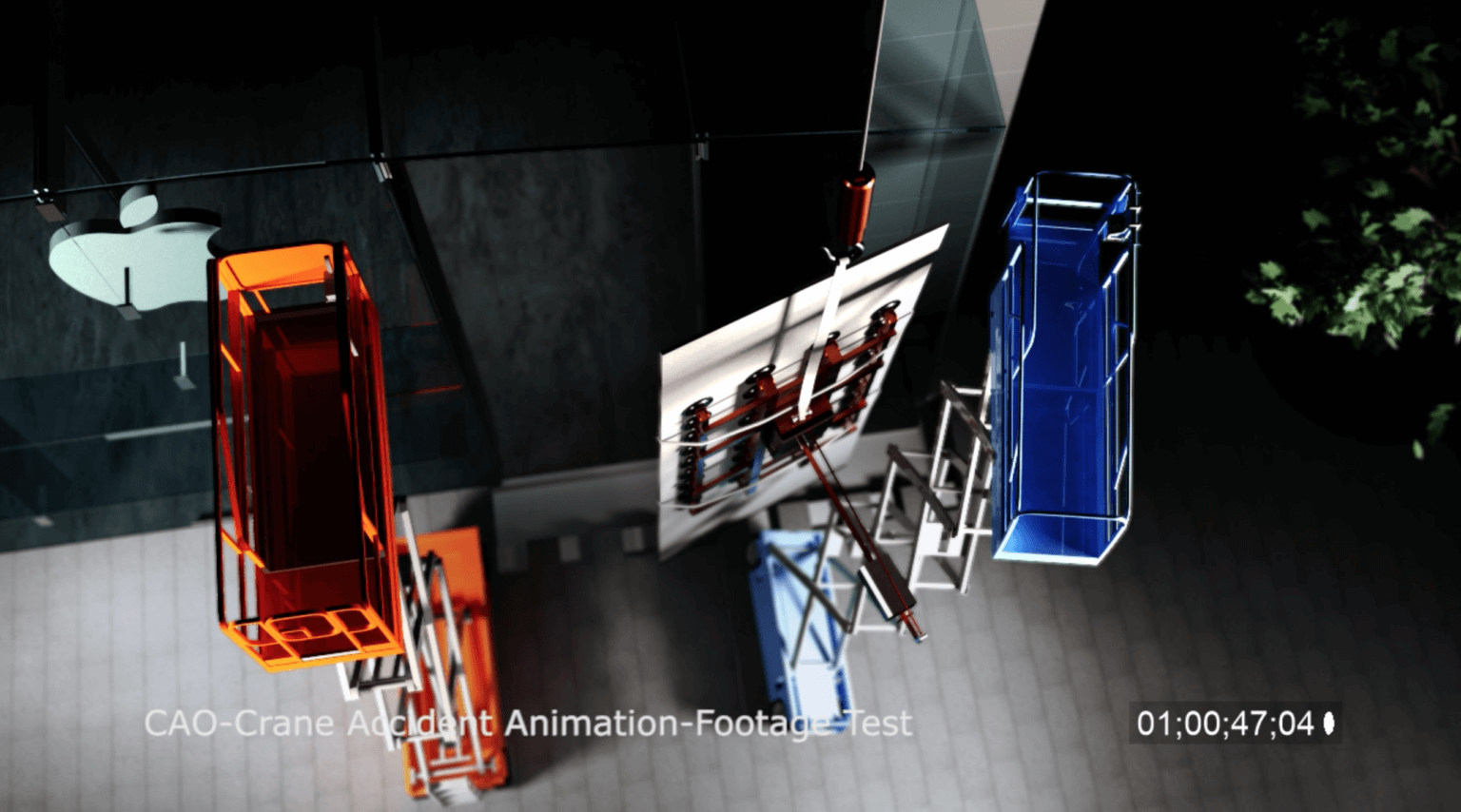
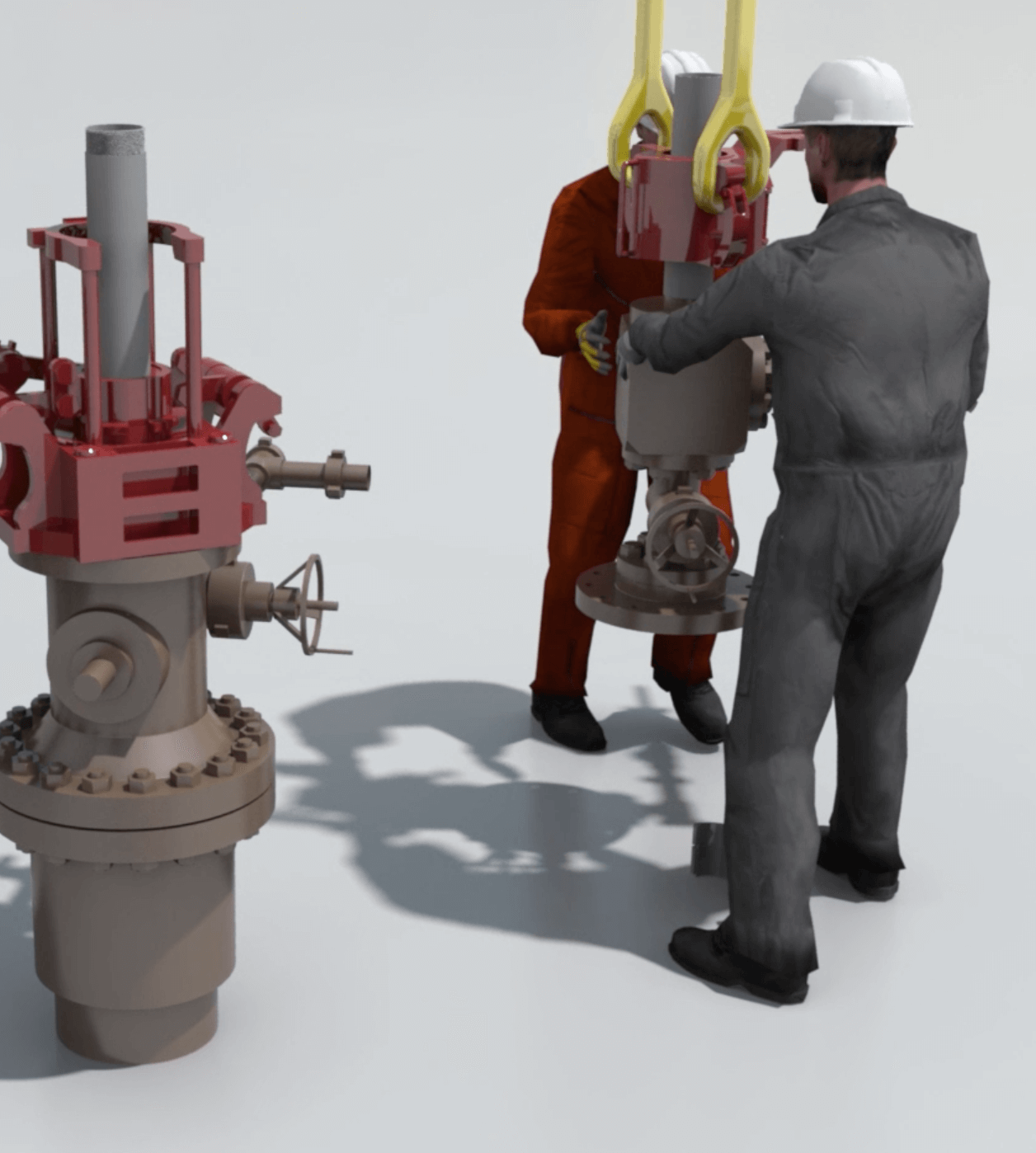
LawFX offers a range of services including forensic animations, trial graphics, accident reconstruction, industrial case animations, medical malpractice media, work injury cases, oil & gas legal animations, and more.
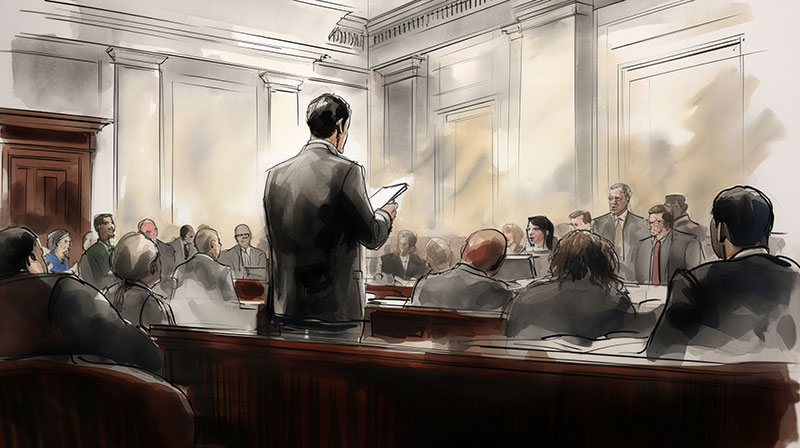
LawFX is a division of Industrial3D, specializing in creating scientifically accurate legal animations and litigation graphics. They provide visual aids like motion graphics and 3D simulations for legal proceedings, including trials, mediations, and appellate proceedings.
Yes, LawFX provides specialized animations for oil and gas incidents, environmental breaches, and work-related injuries, drawing on their expertise in this sector.